
COMMUNITIES
Can a Shore Property Work as Both a Vacation Home and a Rental?
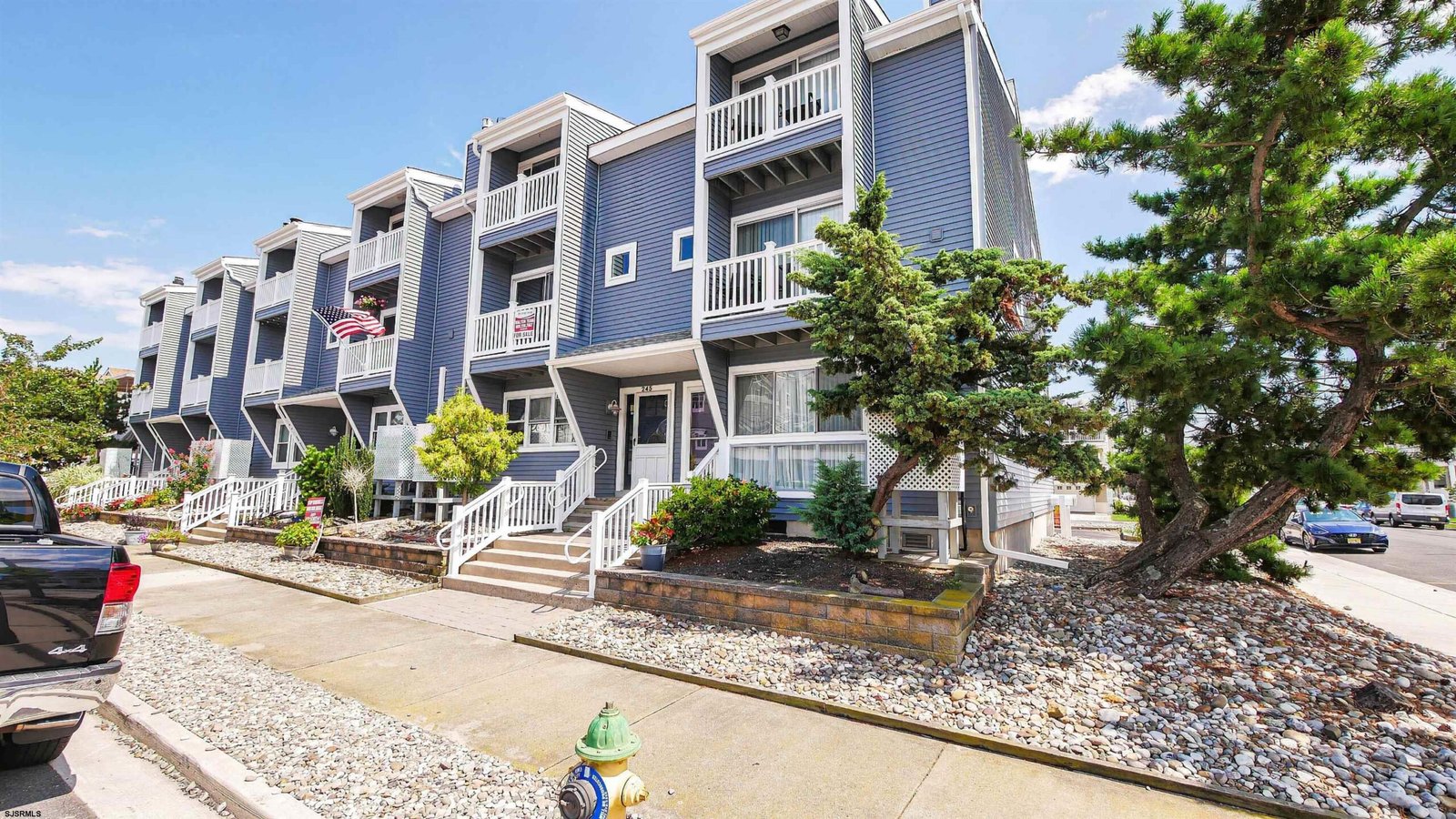
A lot of Shore buyers aren’t looking at a property in just one way.
You may want a place your family can enjoy for weekends and vacations, but also like the idea of renting it when you’re not using it.
That can work very well.
But the best property for your family isn’t automatically the best rental property, and the property with the strongest rental potential may not be the one you most want to spend your own time in.
The key is figuring out which side of the equation matters most to you.
Start With How Much You Want to Use It Yourself
Before you start estimating rental income, think about when you actually want to be at the Shore.
Do you want most summer weekends?
A few specific weeks?
Holidays?
Spring and fall?
The more prime rental weeks you reserve for yourself, the less rental availability you’ll have during the periods that may attract the strongest demand.
That isn’t necessarily a problem. It just means the property needs to work first for the role you want it to play in your life.
Location Can Matter Differently to Renters
The things you value personally may not be exactly the same things renters value.
You may love a quiet residential location a little farther from the beach.
A renter may put more value on being able to walk to the beach, Boardwalk, restaurants or activities.
Parking, number of bedrooms, outdoor space and proximity to attractions can also affect how appealing a property is to different types of renters.
That doesn’t mean you should buy strictly for rental demand.
It means you should understand the tradeoffs before you decide.
Check the Rules Before You Count on Rental Income
Rental rules can vary depending on the town, property type and association.
If you’re looking at a condo or another property governed by an association, make sure you understand whether rentals are permitted and whether there are restrictions on timing or length of stay.
Local regulations can matter too.
It’s much better to understand those rules before you make an offer than to assume you’ll be able to rent the property the way you imagined.
Matt's take
When buyers tell me they want to use a Shore property themselves and also rent it, I like to find out which one matters more. If the property has to be a great family house first, we should shop that way. If rental potential is an important part of making the numbers work, then we need to look more closely at location, layout, rules and demand before getting attached to a property.
Think About Who Will Manage It
Rental income doesn’t happen by itself.
Someone needs to handle things like:
- bookings
- guest communication
- cleaning
- turnovers
- repairs
- maintenance
- emergencies
- getting the property ready between renters
Some owners handle much of that themselves.
Others use a property manager or rental company.
If you live several hours away, the management side of the equation deserves real consideration.
Your Personal Belongings Need a Plan Too
If you’re going to move in and out of the property between rental periods, think about where your own things will go.
Beach gear, clothing, bikes, personal items and anything you don’t want renters using all need storage.
A locked owner’s closet, garage area or other secure storage can make a big difference.
It sounds like a small detail until you’re packing up your own Shore house every time a renter arrives.
Rental History Can Be Helpful, But It Isn’t a Guarantee
If a property has been rented before, past rental history can give you useful information.
It may help you understand demand, typical rental periods and how the property has performed in the past.
But past results don’t guarantee future income.
Rates, demand, competition, regulations and the way the property is marketed can all change.
Rental history is useful information — not a promise.
Decide What Success Looks Like for You
For one buyer, success may mean renting enough weeks to offset some of the annual carrying costs.
For another, rental income may be an important part of the financial decision.
And another buyer may simply want the flexibility to rent occasionally when the family isn’t using the property.
Those are three very different goals.
Once you know which one describes you, it becomes much easier to evaluate whether a particular property can realistically serve both purposes.
A Property Can Do Both — If the Priorities Fit
A Shore property absolutely can be both a place your family loves and a property you rent when you’re away.
The best fit is one where the location, property type, rental rules, management needs and your own schedule all work together.
That’s much more useful than simply asking whether a property is “a good rental.”
Thinking about where you'd fit best at the Shore?
If you're weighing different towns, neighborhoods or types of properties, Matt can help you narrow down what makes the most sense for the way you want to live.
Connect with Matt